
Introduction: The Right Safety Device Can Make a Big Difference
Personal safety technology has evolved rapidly, and devices like personal alarms with GPS tracking are becoming increasingly popular among seniors, travelers, outdoor enthusiasts, students, and people who want extra protection during emergencies.
A simple alarm button can attract attention, but a GPS-enabled personal safety device can provide an additional layer of security by helping trusted contacts understand your location when you need assistance.
However, not every GPS safety device is created equal. Before purchasing one, it is important to understand how these devices work, what features matter, common limitations, and how to choose a reliable option.
This guide explains everything you should know before investing in a personal alarm with GPS tracking so you can make an informed decision.

What Is a Personal Alarm With GPS Tracking?
A personal alarm with GPS tracking is a compact safety device designed to help users quickly request assistance during emergencies. These devices typically combine:
Emergency alert buttons
GPS location tracking
Mobile connectivity
Two-way communication
Smartphone applications
Emergency contact notifications
When activated, the device may send an alert to selected contacts, caregivers, security services, or monitoring centers along with the user's location information.
These devices are commonly used by:
Elderly individuals living independently
Children traveling alone
Solo travelers
Hikers and outdoor workers
People with medical concerns
Night-shift employees
Why Are GPS Personal Alarms Becoming More Popular?
Safety concerns and advances in wearable technology have increased demand for personal tracking solutions.
According to industry research, the global wearable technology market continues to grow as consumers look for devices that combine health monitoring, communication, and safety features.
A GPS personal alarm offers benefits beyond traditional alarms because it can provide location-based information during situations where the user may not be able to explain their surroundings.
For example:
A senior citizen falls while walking outdoors.
A child gets separated from family during travel.
A hiker experiences an emergency in an unfamiliar area.
A worker needs urgent assistance at an isolated location.
In these situations, location information can help reduce response time.
Important Features to Check Before Buying a GPS Personal Alarm
1. Accurate GPS Location Tracking
The most important feature is reliable location accuracy.
A quality device should provide:
Real-time location updates
Reliable GPS performance
Location history (if required)
Geofencing options
Remember that GPS accuracy can vary depending on:
Weather conditions
Buildings and obstacles
Network availability
Device quality
2. Emergency SOS Button
The SOS button should be:
Easy to find
Simple to activate
Functional under stress
Some devices require holding the button for several seconds to prevent accidental alerts, while others activate immediately.
Choose a system that matches the user's needs.
3. Battery Life
Battery performance is often overlooked.
Before purchasing, check:
Average battery duration
Charging time
Low-battery notifications
Backup power options
A safety device that is not charged cannot provide protection when needed.
4. Mobile Network Compatibility
Most GPS alarms rely on cellular networks to send location updates.
Check:
Supported network coverage
SIM requirements
Monthly subscription fees
International compatibility (if traveling)
A GPS tracker without network access may not function properly in certain areas.
5. Two-Way Voice Communication
Some advanced personal alarms include built-in microphones and speakers.
This allows users to:
Speak with emergency contacts
Explain their situation
Receive instructions
For elderly users or individuals who may panic during emergencies, this feature can be especially valuable.
Understanding GPS Tracker Jammer Risks
The keyword GPS Tracker Jammer is often searched by people who want to understand GPS security and tracking limitations.
A GPS tracker jammer is a device designed to interfere with GPS signals by transmitting radio frequency interference. These devices can prevent GPS receivers from accurately receiving satellite signals.
However, GPS jammers create significant safety and legal concerns:
They can interfere with legitimate tracking systems.
They may affect emergency response equipment.
Their use is restricted or illegal in many regions.
For personal safety devices, the focus should be on choosing reliable technology rather than attempting to block tracking signals.
When purchasing a GPS-enabled safety device, users should consider:
Strong network connectivity
Secure communication systems
Manufacturer reputation
Privacy protection features

Personal Alarm vs GPS Tracker: What Is the Difference?
Many buyers confuse personal alarms and GPS trackers.
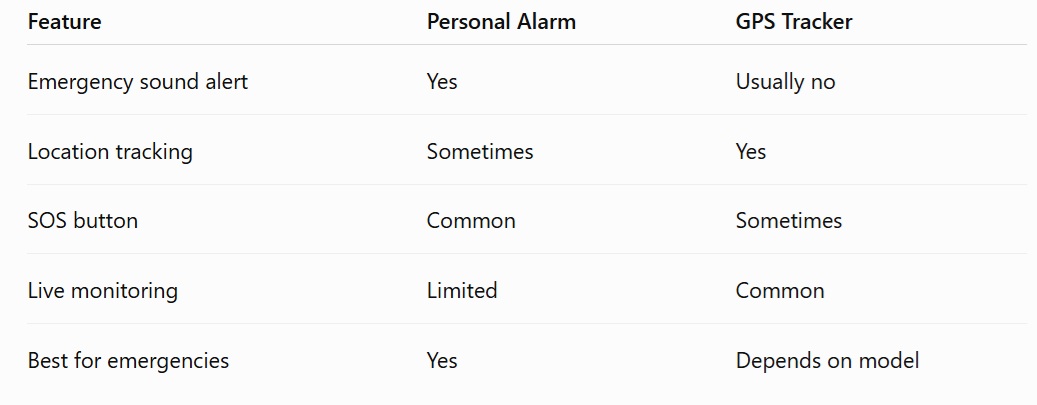
A personal alarm focuses on requesting immediate help, while a GPS tracker focuses mainly on location monitoring.
Many modern devices combine both features.
Who Should Consider Buying a GPS Personal Alarm?
Seniors and Elderly Users
GPS alarms can help older adults maintain independence while giving families peace of mind.
Useful features include:
Fall detection
Emergency calling
Caregiver alerts
Location sharing
Travelers
Travelers may benefit from GPS safety devices when visiting unfamiliar places.
Helpful situations include:
Lost navigation
Emergency situations
Solo travel risks
Outdoor Enthusiasts
Hikers, campers, and adventure travelers often face unpredictable conditions.
Important features include:
Long battery life
Water resistance
Strong connectivity
Emergency signaling
Children and Teenagers
Parents may use GPS safety devices to monitor children during activities such as:
School trips
Outdoor activities
Independent travel
Privacy and responsible use should always be considered.
Common Mistakes People Make When Buying a Personal Alarm
Choosing Based Only on Price
The cheapest device may lack:
Reliable GPS
Customer support
Strong battery performance
Security features
Safety equipment should be evaluated based on reliability, not only cost.
Ignoring Subscription Costs
Many GPS devices require monthly service plans.
Before buying, check:
Activation fees
Monitoring charges
Data costs
Cancellation policies
Not Testing the Device
After purchase:
Charge the device fully.
Test the SOS function.
Confirm alerts reach contacts.
Check GPS accuracy.
Teach users how to operate it.
Regular testing ensures the device works when needed.
How to Choose the Best Personal Alarm With GPS Tracking
Use this checklist before purchasing:
✅ Reliable GPS accuracy
✅ Easy emergency activation
✅ Long battery life
✅ Strong mobile coverage
✅ Waterproof design
✅ Privacy protection
✅ Good customer support
✅ Reasonable subscription cost
✅ Positive user reviews
Frequently Asked Questions (FAQs)
1. How does a personal alarm with GPS tracking work?
A GPS personal alarm uses satellite positioning and mobile networks to determine location and send emergency alerts to selected contacts or monitoring services.
2. Can a GPS personal alarm work without a phone?
Some models work independently using built-in cellular connectivity, while others require smartphone pairing. Always check product specifications before buying.
3. Is a GPS tracker jammer safe or legal?
GPS tracker jammers can interfere with communication systems and are restricted or illegal in many locations. They should not be used for personal safety purposes.
4. Are GPS personal alarms useful for seniors?
Yes. Many seniors use GPS personal alarms for emergency assistance, fall detection, and location sharing with caregivers.
5. How often should I charge a GPS personal alarm?
Charging frequency depends on battery capacity and usage. Many devices require charging every few days, while others may last several weeks.
Conclusion: Make an Informed Choice Before Buying
A personal alarm with GPS tracking can provide valuable support during emergencies by combining instant alerts with location information. However, choosing the right device requires careful evaluation of GPS accuracy, battery life, connectivity, privacy features, and overall reliability.
If you are looking for a trusted security technology provider, SpyPro Security Solutions offers reliable personal safety solutions designed to help individuals, families, and professionals enhance their security.